EV Charging Tech 2026: 3 Must-Know Advancements for US Owners
Anúncios
By 2026, US EV owners will benefit from significant advancements in charging technology, including ultra-fast charging capabilities, seamless smart grid integration, and the increasing prevalence of convenient wireless charging solutions.
The landscape of electric vehicle ownership in the United States is rapidly evolving, and at its core is the continuous innovation in charging technology. For current and prospective US EV owners, understanding the pivotal shifts arriving by 2026 is crucial. This article delves into the EV charging advancements 2026, highlighting three must-know developments that promise to redefine convenience, efficiency, and sustainability in powering our electric future.
Anúncios
The Dawn of Ultra-Fast Charging Infrastructure
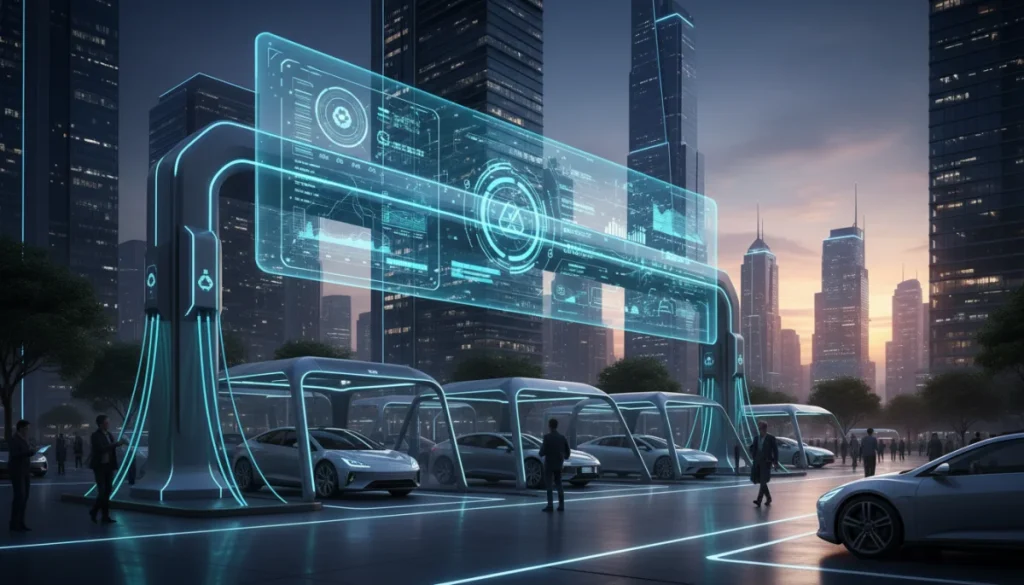
The most pressing concern for many EV owners has long been the time it takes to recharge their vehicles. By 2026, ultra-fast charging is set to become the new standard, dramatically reducing wait times and making long-distance EV travel more feasible and less stressful. This technological leap involves higher power outputs and more efficient energy transfer systems, moving beyond the current limitations.
This advancement is not just about raw speed; it’s about optimizing the entire charging experience. Imagine pulling into a charging station and, within minutes, having enough range to continue your journey for hundreds of miles. This level of convenience is a game-changer, addressing one of the primary psychological barriers to widespread EV adoption.
Technological Pillars of Rapid Charging
Achieving ultra-fast charging relies on several key innovations. These include advancements in battery chemistry, which allow for faster absorption of charge without degradation, and the development of more robust charging hardware capable of handling higher power levels.
- Higher Power Connectors: New connector designs and materials are being developed to safely and efficiently handle currents exceeding 350 kW, and even pushing towards 500 kW.
- Advanced Cooling Systems: Managing the heat generated during ultra-fast charging is critical. Sophisticated liquid cooling systems within both the charging cable and the vehicle’s battery pack are essential.
- Optimized Charging Protocols: Communication protocols between the charger and the EV are becoming more intelligent, allowing for dynamic power delivery based on the battery’s state of charge and temperature.
The deployment of these stations will likely concentrate along major highways and in urban centers, creating a backbone of rapid charging options that mirror the convenience of traditional gasoline stations. This infrastructure development is critical for supporting the growing number of EVs on American roads.
Seamless Smart Grid Integration for EVs
Beyond faster charging, the future of EV power lies in its seamless integration with the smart grid. By 2026, electric vehicles will no longer be mere consumers of electricity but active participants in the energy ecosystem. This bidirectional flow of energy, often referred to as Vehicle-to-Grid (V2G) technology, will unlock new levels of efficiency, cost savings, and grid stability.
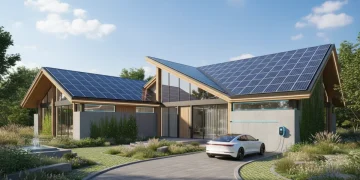
Smart grid integration means your EV can intelligently decide when to charge, taking advantage of off-peak electricity rates, and even feed power back into your home or the grid during peak demand or emergencies. This transforms the EV from a personal transport device into a mobile energy storage unit, offering significant benefits to both individual owners and the broader energy network.
Anúncios
Benefits of Bidirectional Charging
The concept of V2G is profound, offering multiple advantages that extend beyond simply powering your car. It represents a fundamental shift in how we view and utilize energy resources.
- Cost Savings: Charging during off-peak hours when electricity is cheaper can significantly reduce an EV owner’s energy bill.
- Grid Stability: EVs can help balance the grid by discharging power during periods of high demand, reducing the need for fossil fuel peaker plants.
- Emergency Power: In the event of a power outage, a V2G-enabled EV can power a home for several hours or even days, acting as a reliable backup generator.
- Renewable Energy Support: By storing excess renewable energy (e.g., from solar or wind) and discharging it when needed, EVs can help integrate more green energy sources into the grid.
Utilities and automakers are actively collaborating to develop the standards and technologies required for widespread V2G implementation. This includes smart charging software, compatible vehicle hardware, and robust communication protocols to ensure secure and efficient energy exchange. The goal is to create a symbiotic relationship where EVs enhance, rather than strain, the electrical grid.
The Rise of Wireless EV Charging Solutions
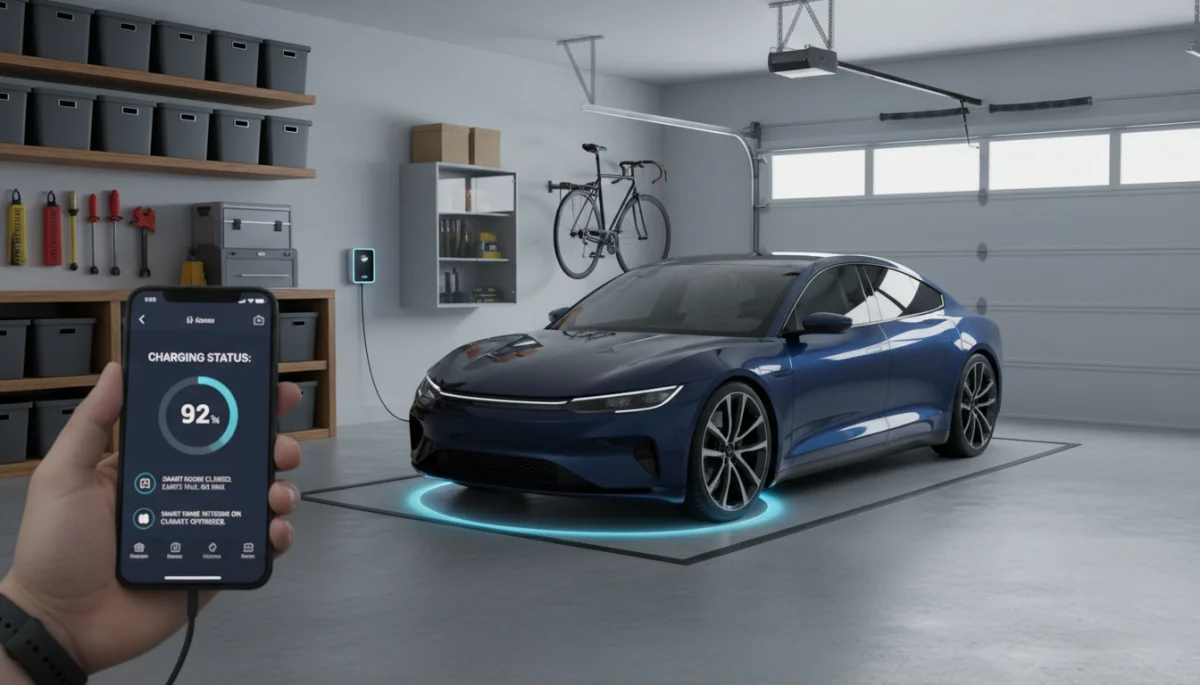
Imagine never having to plug in your EV again. By 2026, wireless EV charging is poised to move from niche application to mainstream adoption, offering unparalleled convenience and a clutter-free charging experience. This technology utilizes inductive power transfer, where an electromagnetic field transfers energy between a charging pad on the ground and a receiver coil on the underside of the vehicle.
This advancement promises to simplify the daily routine of EV owners, eliminating cables and making charging as simple as parking your car. Whether at home, in public parking lots, or even while driving, wireless charging offers a seamless and effortless way to keep your EV powered.
How Wireless Charging Works and Its Applications
Wireless charging technology, while seemingly futuristic, is built on well-established principles of electromagnetism. The key challenge has been scaling it up for the power demands of electric vehicles and ensuring efficiency and safety.
- Inductive Coils: A primary coil embedded in the ground or a charging pad creates an alternating electromagnetic field, which induces a current in a secondary coil mounted on the EV.
- Automatic Alignment: Advanced systems will guide drivers to precisely position their vehicles over charging pads for optimal energy transfer.
- Static Wireless Charging: This is the most common form, where a vehicle charges while stationary, such as in a garage or parking space.
- Dynamic Wireless Charging (Charging while Driving): Although further out, pilot projects are exploring embedding charging coils under roads, allowing EVs to charge as they drive, potentially leading to smaller batteries and continuous range.
The convenience of wireless charging extends beyond personal vehicles. Public transport, such as electric buses, could benefit immensely from charging at bus stops, while autonomous vehicles could seamlessly recharge without human intervention. This technology is set to redefine user interaction with charging infrastructure, making it almost invisible.
Enhancing the Charging Experience: User Interface and Accessibility
Beyond the core technological advancements, the user experience of EV charging is also undergoing a significant transformation. By 2026, we can expect more intuitive interfaces, greater accessibility for all users, and a more streamlined payment process. The goal is to make charging an EV as simple and stress-free as possible, removing any friction points that might deter potential owners.
This includes universal payment systems, more reliable charging station uptime, and clearer information on charging availability and pricing. The focus is on creating a holistic ecosystem where the technology serves the user seamlessly.
Key Improvements in User Experience
The move towards a more user-centric charging experience involves addressing several pain points that current EV owners sometimes encounter. These improvements are crucial for mass adoption.
- Standardized Payment Systems: Moving away from multiple apps and payment methods towards universal tap-and-pay options, similar to fuel pumps.
- Improved Station Reliability: Enhanced diagnostics and predictive maintenance will ensure charging stations are consistently operational, reducing frustration for drivers.
- Real-time Availability Data: More accurate and widely accessible information on charger availability, charging speeds, and pricing via integrated vehicle systems and smartphone apps.
Accessibility is also a growing concern, with efforts to design charging stations that are easily usable by individuals with disabilities, ensuring that the EV revolution is inclusive. This includes thoughtful placement of charging ports, wider parking spaces, and clear visual and auditory cues.
The Role of AI and Predictive Analytics in Charging Networks
Artificial intelligence (AI) and predictive analytics are becoming indispensable tools in optimizing EV charging networks. By 2026, these technologies will be deeply integrated into charging infrastructure, enabling smarter, more efficient, and more reliable service. AI can analyze vast amounts of data to predict demand, optimize energy distribution, and even anticipate maintenance needs for charging stations.
This intelligence allows charging networks to operate with unprecedented efficiency, minimizing wait times, reducing operational costs, and ensuring a smoother experience for EV owners. It’s about moving from reactive problem-solving to proactive optimization.
Applications of AI in EV Charging
The implementation of AI will touch various aspects of the charging ecosystem, making it more intelligent and responsive to real-world conditions.
- Demand Forecasting: AI algorithms can predict charging demand based on historical data, weather patterns, and local events, allowing network operators to allocate resources efficiently.
- Dynamic Pricing: AI can enable smart pricing models that adjust rates based on grid conditions, incentivizing charging during off-peak hours and further supporting grid stability.
- Predictive Maintenance: By analyzing sensor data from charging stations, AI can identify potential hardware failures before they occur, enabling proactive repairs and reducing downtime.
- Optimized Routing: Future navigation systems will use AI to suggest optimal routes that include available and suitable charging stops, considering factors like charging speed and cost.
The integration of AI will lead to a more robust and resilient charging infrastructure, capable of adapting to the rapidly changing demands of an electrified transportation system. This intelligent layer will be crucial for managing the complexity of millions of EVs drawing power from the grid.
Policy and Regulatory Landscape Supporting EV Charging Growth
The rapid advancements in EV charging technology are not happening in a vacuum; they are strongly supported and, in many cases, driven by evolving policy and regulatory frameworks in the United States. By 2026, we anticipate a more harmonized and supportive regulatory environment that accelerates the deployment of advanced charging solutions and incentivizes their adoption by consumers and businesses alike.
Government initiatives, tax credits, and standardization efforts play a crucial role in creating a fertile ground for these innovations to flourish. This includes funding for infrastructure, mandates for open standards, and incentives for smart charging technologies.
Key Policy Drivers and Their Impact
Various governmental and industry-led efforts are shaping the future of EV charging, ensuring a coherent and effective rollout of new technologies.
- Federal Funding and Grants: Significant investments from the federal government are allocated to build out a national EV charging network, including support for high-power and innovative charging solutions.
- Standardization Efforts: Regulations are pushing for common charging standards (e.g., CCS, NACS), ensuring interoperability and reducing consumer confusion.
- Building Codes and Mandates: Many states and municipalities are implementing building codes that require new constructions to include EV charging infrastructure, laying the groundwork for future growth.
Furthermore, policies aimed at promoting V2G technology and renewable energy integration will further accelerate the adoption of smart charging solutions. These regulatory tailwinds are essential for overcoming initial hurdles and ensuring that the US remains at the forefront of EV charging innovation.
| Key Advancement | Brief Description |
|---|---|
| Ultra-Fast Charging | Significantly reduces charging times, making EV travel more convenient and efficient with higher power outputs. |
| Smart Grid Integration (V2G) | Enables EVs to interact with the power grid, optimizing charging times for cost savings and providing energy back to the grid. |
| Wireless EV Charging | Offers unparalleled convenience by eliminating cables, allowing EVs to charge by simply parking over a charging pad. |
| AI and Predictive Analytics | Optimizes charging network operations through demand forecasting, dynamic pricing, and predictive maintenance. |
Frequently Asked Questions About EV Charging in 2026
The main benefit is significantly reduced charging times, making long-distance travel and daily commutes far more convenient. Owners will spend less time waiting at charging stations, bringing the refueling experience closer to that of traditional gasoline vehicles, which is crucial for widespread EV adoption.
V2G can positively impact your electricity bill by allowing your EV to charge during off-peak hours when electricity rates are lower. Additionally, some V2G systems enable you to sell excess energy back to the grid during peak demand, potentially generating revenue and further reducing costs.
Yes, wireless EV charging is being developed with stringent safety standards to ensure it is safe for users and efficient in energy transfer. While there can be minor energy losses compared to wired charging, advancements are continuously improving efficiency, making it a viable and convenient option for many users.
Compatibility will vary. Newer EVs designed closer to or after 2026 are more likely to support ultra-fast charging, smart grid integration (V2G), and wireless charging. Older models might require hardware upgrades or may not be fully compatible with all advanced features, especially V2G and wireless charging.
Government policies are crucial. They provide funding for infrastructure development, set standards for interoperability, and offer incentives for adopting advanced charging technologies. These policies help accelerate deployment, ensure consistency, and encourage both consumers and manufacturers to invest in the EV ecosystem.
Conclusion
The year 2026 marks a significant turning point for electric vehicle charging technology in the United States. With the widespread adoption of ultra-fast charging, seamless smart grid integration, and the increasing availability of wireless charging solutions, the experience of owning an EV is set to become more convenient, efficient, and integrated than ever before. These advancements, coupled with ongoing improvements in user interface, the application of AI, and supportive regulatory frameworks, are paving the way for a future where range anxiety is a distant memory and powering an EV is an effortless part of daily life. For US EV owners, these are not just technological upgrades but fundamental shifts that will redefine sustainable transportation.