Next-Gen Drones 2026: Innovations in Consumer Photography
Anúncios
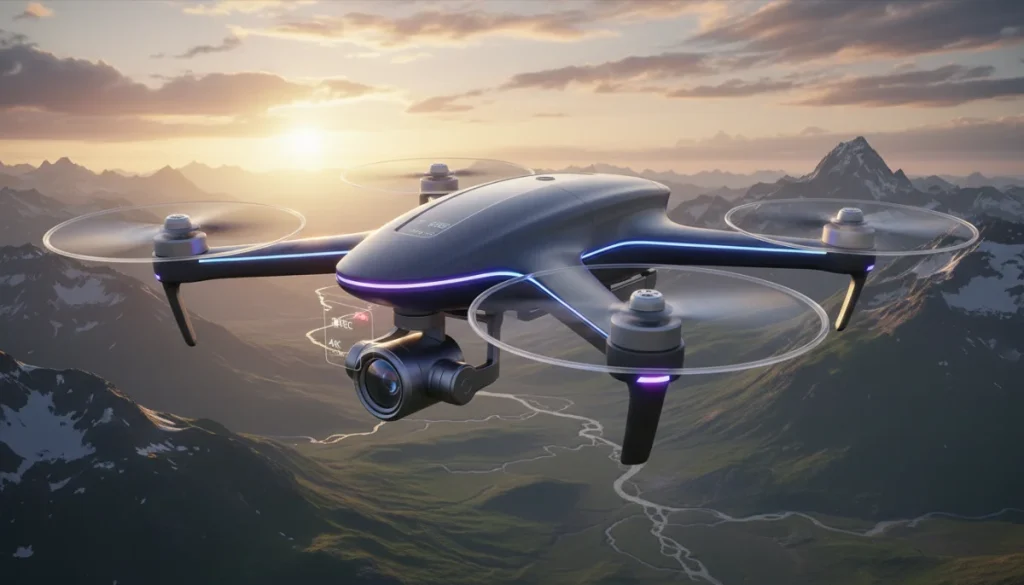
Next-gen drones in 2026 are set to transform consumer photography and videography by integrating advanced AI for autonomous flight and superior imaging, extending battery life for longer sessions, and simplifying controls for broader accessibility.
Anúncios
The world of aerial imaging is on the cusp of a profound transformation. By 2026, next-gen drone innovations will fundamentally reshape how consumers capture breathtaking photos and cinematic videos from the sky, democratizing advanced aerial capabilities for everyone.
The Rise of Intelligent Flight Autonomy
Intelligent flight autonomy is no longer a futuristic concept but a burgeoning reality that significantly enhances the capabilities of consumer drones. This innovation allows drones to navigate complex environments, avoid obstacles, and execute sophisticated flight paths with minimal human intervention, making aerial photography and videography more accessible and safer than ever before.
The integration of advanced sensors and real-time processing power enables these drones to understand their surroundings in three dimensions. This means fewer crashes and more focus on creative composition rather than manual flight controls.
Advanced Obstacle Avoidance Systems
Modern drones are equipped with multi-directional obstacle avoidance, using an array of sensors like lidar, ultrasonic, and vision systems. These systems create a dynamic, real-time map of the drone’s environment, allowing it to predict and react to potential collisions instantaneously.
- 360-Degree Sensing: Comprehensive coverage ensures detection from all angles.
- Predictive Path Planning: Algorithms anticipate movement to avoid obstacles proactively.
- Adaptive Flight Modes: Drones adjust speed and trajectory in real-time based on environmental data.
AI-Powered Flight Modes
Beyond basic obstacle avoidance, AI is powering sophisticated flight modes that open up new creative avenues for users. These modes allow drones to track subjects, perform complex maneuvers, and even choreograph entire aerial sequences autonomously.
Imagine a drone that can automatically circle a moving subject, maintaining perfect framing, or execute a complex ‘dolly zoom’ shot with just a tap on your smartphone. This level of automation significantly lowers the barrier to entry for professional-looking aerial content.
Anúncios
- Subject Tracking 3.0: More precise and reliable tracking across diverse environments.
- Cinematic Pre-sets: Automated flight paths for professional-grade shots like orbits, spirals, and reveals.
- Gesture Control Integration: Command your drone with simple hand gestures for intuitive operation.
The evolution of intelligent flight autonomy is not just about convenience; it’s about unlocking creative potential. By offloading the complexities of flight, users can concentrate on the artistic aspects of their shots, leading to more compelling and unique aerial content. This shift empowers both amateur and professional creators to achieve results previously only possible with extensive training and expensive equipment.
Revolutionary Imaging and Sensor Technology
The second pillar of next-gen drone innovation lies in their imaging and sensor technology. While drones have always been about capturing visuals, the advancements by 2026 are pushing the boundaries of resolution, low-light performance, and dynamic range, rivaling dedicated professional cameras.
These improvements are not merely incremental; they represent a leap forward, enabling drones to capture stunning visuals under challenging conditions, from twilight landscapes to fast-moving action sequences. The focus is on delivering unparalleled image quality directly from the drone’s integrated camera system.
Ultra-High Resolution and Dynamic Range
Next-gen drones are featuring cameras capable of capturing resolutions far beyond current consumer standards, often exceeding 8K for video and 100-megapixel stills. This increased resolution provides incredible detail and flexibility for post-production, allowing for significant cropping and reframing without loss of quality.
Furthermore, advancements in sensor technology are yielding wider dynamic ranges, meaning cameras can capture more detail in both the brightest highlights and darkest shadows of a scene. This is crucial for shooting in high-contrast environments, such as sunsets or brightly lit outdoor scenes with deep shadows.
Enhanced Low-Light Performance
One of the most significant challenges in aerial photography has been low-light performance. By 2026, drone cameras will incorporate larger sensors, improved image signal processors (ISPs), and advanced noise reduction algorithms, allowing them to capture clean, detailed footage even in dimly lit conditions.
This capability opens up entirely new possibilities for creative expression, from capturing breathtaking night cityscapes to ethereal twilight landscapes. The ability to shoot reliably in low light extends the creative window for drone pilots, moving beyond just bright daylight hours.
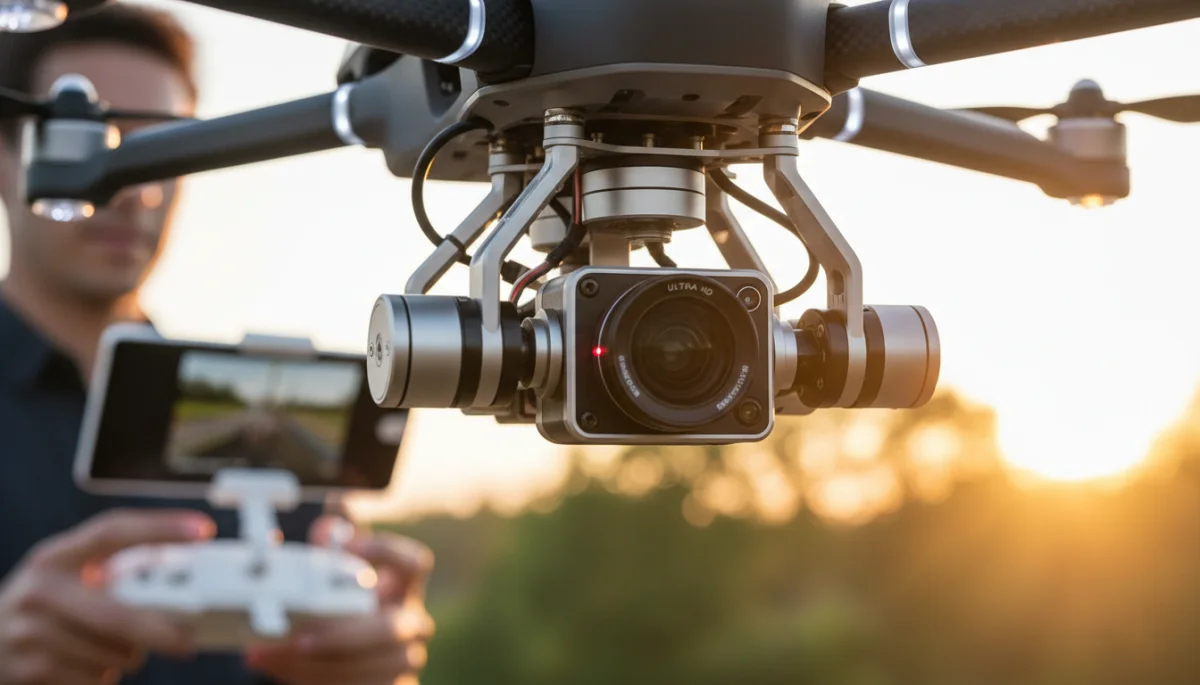
The combination of ultra-high resolution, expanded dynamic range, and superior low-light performance means that the visual fidelity offered by these drones will be exceptional. Users will be able to capture cinematic-quality footage and professional-grade photographs directly from their compact aerial platforms, truly blurring the lines between consumer and professional equipment.
Extended Flight Capabilities and Battery Life
For any drone enthusiast, the limitations of flight time and range have always been a significant constraint. By 2026, significant breakthroughs in battery technology and propulsion systems are set to dramatically extend both the operational range and endurance of consumer drones, unlocking new possibilities for exploration and creative projects.
These advancements mean longer flights, allowing for more extensive coverage of landscapes, more complex tracking shots, and the ability to reach previously inaccessible locations without the constant worry of battery depletion. It’s a game-changer for both casual users and content creators.
Next-Generation Battery Technology
The core of extended flight time lies in innovative battery chemistries and designs. Lithium-ion batteries are evolving, with higher energy densities and faster charging capabilities. Beyond traditional Li-ion, research into solid-state batteries and other novel power sources is promising even greater leaps in efficiency and safety.
- Increased Energy Density: More power packed into smaller, lighter battery units.
- Faster Charging Cycles: Reduced downtime between flights, maximizing operational hours.
- Improved Thermal Management: Batteries operate more efficiently and safely across varying temperatures.
Aerodynamic Enhancements and Efficient Propulsion
Alongside battery improvements, drone manufacturers are refining aerodynamic designs and propulsion systems. Lighter materials, more efficient motor designs, and optimized propeller shapes contribute significantly to extending flight duration and improving stability in challenging weather conditions.
These engineering marvels work in concert with the advanced batteries to ensure that every watt of energy is utilized as efficiently as possible, translating directly into longer airtime and greater operational flexibility for users.
- Ultralight Composite Materials: Reducing overall drone weight without compromising durability.
- Optimized Propeller Geometry: Maximizing thrust and lift efficiency.
- Energy-Efficient Motors: Brushless motors that consume less power for the same output.
The combined effect of these innovations is a drone that can stay airborne for significantly longer periods, often exceeding 45-60 minutes on a single charge, and cover much greater distances. This extended capability is crucial for large-scale mapping, long-form videography projects, and exploring vast natural landscapes without interruption, offering unprecedented freedom to creators.
Streamlined User Interfaces and Ecosystems
While cutting-edge hardware is essential, the true user experience of next-gen drones in 2026 will be defined by their intuitive software and integrated ecosystems. These advancements aim to simplify complex operations, making sophisticated aerial photography and videography accessible to a wider audience, from seasoned professionals to first-time pilots.
The focus is on seamless interaction, from flight planning and execution to post-production and sharing, all within a cohesive and user-friendly environment. This holistic approach ensures that the power of the drone is easily harnessed by its operator.
Intuitive Control Software
Drone control apps are becoming more intelligent and user-centric. They feature simplified interfaces, augmented reality (AR) overlays for flight planning, and AI-driven recommendations for optimal camera settings and flight paths. This reduces the learning curve and allows users to focus on creative composition.
Imagine an app that analyzes your desired shot and suggests the best drone position, altitude, and camera angles, or one that projects your flight path onto the live video feed, making navigation incredibly precise.
Integrated Editing and Sharing Platforms
The workflow doesn’t end with capture. Next-gen drone ecosystems will offer robust in-app editing tools, leveraging AI to automatically stabilize footage, color grade, and even generate highlight reels. Direct integration with social media platforms and cloud storage services will streamline the sharing process, making it effortless to publish content.
This seamless integration from capture to share significantly enhances productivity and allows creators to bring their visions to life faster and more efficiently, without needing to transfer files to multiple devices or software platforms.
The evolution of user interfaces and integrated ecosystems is about democratizing professional-grade aerial content creation. By making advanced drone technology accessible and enjoyable to use, these innovations are poised to inspire a new generation of aerial photographers and videographers, fostering creativity and expanding the possibilities of visual storytelling from the sky.
The Impact on Creative Storytelling
The confluence of intelligent flight autonomy, revolutionary imaging, and extended flight capabilities profoundly impacts creative storytelling. By 2026, these advancements will empower creators to tell stories from perspectives previously unimaginable for consumer-grade equipment. The narrative possibilities expand exponentially when the tools become extensions of the creative mind, rather than technical hurdles.
Drone technology is evolving beyond mere gadgetry; it is becoming a sophisticated artistic instrument. For photographers, this means capturing landscapes with unprecedented detail and dynamic range, or freezing fleeting moments from unique aerial vantage points. For videographers, it translates into fluid, cinematic sequences that add a professional polish to any project, whether personal or commercial.
Unlocking New Perspectives
With longer flight times and smarter flight modes, creators can explore vast areas, track subjects over extended periods, and execute complex camera movements that add depth and emotion to their narratives. Imagine following a runner through a winding trail for miles, or capturing the full scale of an architectural marvel with a single, sweeping shot. These are the new norms.
- Expansive Landscape Photography: Capturing the grandeur of nature with unparalleled scope.
- Dynamic Sports Videography: Following fast-paced action with precision and stability.
- Architectural Exploration: Showcasing structures from unique and comprehensive angles.
Enhancing Production Value
The superior image quality, combined with advanced stabilization and autonomous flight, elevates the overall production value of consumer-generated content. What once required a professional crew and significant budget can now be achieved by an individual with a next-gen drone. This democratization of high-quality production tools is a significant shift in the creative landscape.
From independent filmmakers to travel vloggers, the ability to produce visually stunning content effortlessly will differentiate creators in an increasingly crowded digital space. The visual fidelity and creative freedom offered by these drones will set a new standard for what is expected from consumer-level aerial content.
Ultimately, these technological strides in next-gen drones are not just about better specifications; they are about fostering a new era of creative expression. They provide the canvas and the brush for artists to paint their stories across the sky, offering tools that are both powerful and intuitively accessible, thereby transforming how we perceive and interact with aerial visuals.
Ethical Considerations and Future Outlook
As next-gen drones become more prevalent and powerful, it is crucial to address the ethical considerations that accompany their advanced capabilities. The ability to capture high-resolution imagery and video from the sky raises important questions about privacy, responsible usage, and the regulatory frameworks needed to govern these technologies. Balancing innovation with societal well-being is paramount for the sustainable growth of this industry.
The ease with which these drones can capture detailed visuals from a distance necessitates a strong emphasis on education for users regarding local laws, privacy rights, and best practices. Manufacturers and regulatory bodies share a responsibility to ensure that these powerful tools are used ethically and respectfully.
Privacy and Data Security
The enhanced imaging capabilities of 2026 drones mean greater potential for capturing identifiable information without consent. Discussions around data encryption, on-device processing to anonymize data, and clear guidelines for public vs. private airspace are becoming more critical. Users must be aware of their responsibilities to respect individual privacy when operating drones.
Regulatory Landscape Evolution
Governments and aviation authorities worldwide are continually updating regulations to keep pace with rapid drone advancements. Expect more sophisticated geo-fencing technologies, remote identification requirements, and potentially stricter licensing for certain drone operations. These measures aim to ensure safety, security, and public acceptance of drone technology.
- Geo-fencing Enhancements: More precise and dynamic no-fly zones.
- Remote ID Mandates: Easier identification of drones in operation for accountability.
- Community Education Programs: Promoting responsible drone use and awareness.
Looking ahead, the future of next-gen drones is bright, with ongoing research into even more sustainable power sources, quieter propulsion, and fully autonomous swarms for complex tasks. The collaboration between AI, robotics, and imaging science will continue to push boundaries, promising even more astonishing capabilities beyond 2026. The key will be to navigate these advancements with a strong ethical compass and a commitment to responsible innovation.
Choosing Your Next-Gen Drone
With the rapid advancements in drone technology, selecting the right next-gen drone in 2026 can seem daunting. However, understanding your primary needs for photography and videography will guide you toward the perfect aerial companion. The market offers a diverse range of options, each tailored to different levels of expertise and creative aspirations.
Consider what types of content you plan to create most frequently. Are you an adventurous traveler capturing vast landscapes, a vlogger seeking dynamic action shots, or a budding filmmaker aiming for cinematic quality? Your specific use case will heavily influence the features you prioritize in a drone.
Key Features to Prioritize
When evaluating next-gen drones, focus on the innovations that align with your creative goals. For photography, look for high-megapixel sensors, wide dynamic range, and excellent low-light performance. For videography, prioritize 8K or higher resolution, advanced stabilization, and a variety of intelligent flight modes.
- Camera Sensor Size: Larger sensors generally mean better image quality, especially in low light.
- Battery Life: Longer flight times provide more creative freedom and less interruption.
- Obstacle Avoidance: Crucial for beginners and for flying in complex environments.
- Intelligent Flight Modes: Features like ActiveTrack, Waypoints, and QuickShots simplify complex maneuvers.
Understanding the Ecosystem
Beyond the drone itself, consider the manufacturer’s ecosystem. This includes the intuitiveness of the control app, the availability of accessories, and the ease of integration with editing software and sharing platforms. A seamless user experience from unboxing to publishing can significantly enhance your creative workflow.
Research user reviews, watch comparison videos, and if possible, try out different models. The best drone for you is one that not only meets your technical requirements but also feels comfortable and inspiring to operate. Investing in a next-gen drone is an investment in your creative potential, allowing you to capture stunning aerial visuals that stand out.
| Key Innovation | Brief Description |
|---|---|
| Intelligent Flight Autonomy | AI-powered navigation, obstacle avoidance, and autonomous flight modes for safer, easier operation. |
| Revolutionary Imaging | Ultra-high resolution cameras, wider dynamic range, and superior low-light performance for stunning visuals. |
| Extended Flight Capabilities | Longer battery life and aerodynamic enhancements for extended range and airtime. |
| Streamlined User Interfaces | Intuitive control apps and integrated ecosystems for seamless capture, editing, and sharing. |
Frequently Asked Questions About Next-Gen Drones
The most significant advancement is intelligent flight autonomy, integrating advanced AI for obstacle avoidance, precise navigation, and sophisticated automated flight modes, making drones easier and safer to operate for all skill levels.
By 2026, drone cameras will feature ultra-high resolutions (8K+ video, 100MP+ stills), wider dynamic range, and significantly enhanced low-light performance, rivaling professional-grade ground cameras for aerial visuals.
Yes, breakthroughs in battery technology and propulsion systems will extend flight times significantly, often exceeding 45-60 minutes on a single charge, allowing for more extensive and uninterrupted creative sessions.
User interfaces will become more intuitive with AR-enhanced flight planning, AI-driven settings recommendations, and integrated editing/sharing platforms, streamlining the entire content creation workflow for users.
Key ethical concerns include privacy invasion due to high-resolution cameras, data security, and the need for robust regulatory frameworks, including geo-fencing and remote ID, to ensure responsible and safe operation.
Conclusion
The landscape of consumer photography and videography is set to be dramatically reshaped by 2026, thanks to the relentless pace of innovation in drone technology. The three core advancements—intelligent flight autonomy, revolutionary imaging capabilities, and extended flight times—collectively empower creators with unprecedented tools for aerial storytelling. These next-gen drones are not just gadgets; they are sophisticated instruments that offer both accessibility and professional-grade performance, inviting a broader audience to explore the skies and capture the world from breathtaking new perspectives. As these technologies mature, their impact on creative expression and visual content will be profound, continually pushing the boundaries of what’s possible from above.