Digital Legacy Planning 2026: Secure Your Online Accounts Now
Anúncios
Effectively managing your digital legacy planning in 2026 is essential for securing online accounts and ensuring digital assets are handled according to your wishes, safeguarding your privacy and preventing potential complications for loved ones.
In an increasingly digital world, where our lives are intertwined with online platforms, the concept of a digital legacy planning has become not just relevant but essential. As we navigate 2026, understanding how to secure your online accounts for the future is a critical aspect of responsible personal planning. Neglecting your digital footprint can leave loved ones with significant challenges, from accessing sentimental photos to managing financial accounts, highlighting the urgent need for proactive strategies.
Anúncios
Understanding digital assets and their importance
Our digital lives encompass far more than just social media profiles. Digital assets include a vast array of online accounts, data, and intellectual property that hold significant value, both sentimental and monetary. Recognizing the breadth of these assets is the first step toward effective digital legacy planning.
The digital landscape of 2026 is complex, with individuals often having dozens, if not hundreds, of online accounts. These range from email services and social media to banking portals, investment platforms, cloud storage, and even cryptocurrency wallets. Each of these accounts carries personal information, memories, or financial value that requires careful consideration in your legacy planning.
Defining your digital footprint
Your digital footprint is the trail of data you leave behind from your online activities. This includes everything you post, share, and store online. Identifying all components of this footprint is crucial for comprehensive planning.
- Email accounts: Often the gateway to other online services.
- Social media profiles: Personal memories, connections, and public identity.
- Financial accounts: Online banking, investment portfolios, payment services.
- Cloud storage: Documents, photos, videos, and other personal files.
- Cryptocurrency wallets: Digital currencies and NFTs that hold real value.
Understanding the full scope of your digital assets ensures that no important piece of your online life is overlooked. This detailed inventory forms the bedrock of a robust digital legacy plan, allowing you to prioritize and manage what matters most.
The legal landscape of digital inheritance in 2026
The legal framework surrounding digital inheritance is continually evolving, with significant developments anticipated by 2026. Navigating these laws is paramount to ensuring your digital wishes are legally enforceable and that your designated beneficiaries can access or manage your accounts without undue burden. Different jurisdictions may have varying regulations, making it crucial to understand the laws applicable to your situation.
In the United States, the Revised Uniform Fiduciary Access to Digital Assets Act (RUFADAA) provides a framework for fiduciaries to access digital assets. However, its adoption varies by state, and service providers often have their own terms of service that can conflict with state laws. This creates a complex environment where careful planning is essential to avoid legal roadblocks for your heirs.
Anúncios
Key legal considerations for digital assets
When drafting your digital legacy plan, several legal aspects must be addressed to ensure its effectiveness. These considerations help to circumvent potential disputes and streamline the process for your designated digital executor.
- Terms of Service (ToS): Many platforms’ ToS dictate what happens to accounts upon death, often restricting access.
- State and federal laws: Understanding how RUFADAA or similar laws apply in your state.
- Digital executor designation: Legally appointing someone to manage your digital assets.
- Privacy concerns: Balancing access for heirs with your posthumous privacy wishes.
Consulting with an estate planning attorney specializing in digital assets is highly recommended. They can help you draft legally sound documents that align with both your wishes and current legal precedents, providing peace of mind that your digital legacy will be honored.
Creating a comprehensive digital asset inventory
A fundamental step in digital legacy planning is to create a detailed and secure inventory of all your online accounts and digital assets. This inventory serves as a comprehensive guide for your digital executor, ensuring they have all the necessary information to manage your digital footprint according to your instructions. Without such an inventory, even a legally appointed executor might struggle to locate and access all your accounts.
The inventory should go beyond just listing account names. It needs to include essential details such as usernames, account numbers (where applicable), and details about the platform. Crucially, while you should list where passwords are stored, the inventory itself should not contain the passwords directly, for security reasons. Instead, it should direct your executor to a secure password manager or a safe location where this sensitive information is kept.
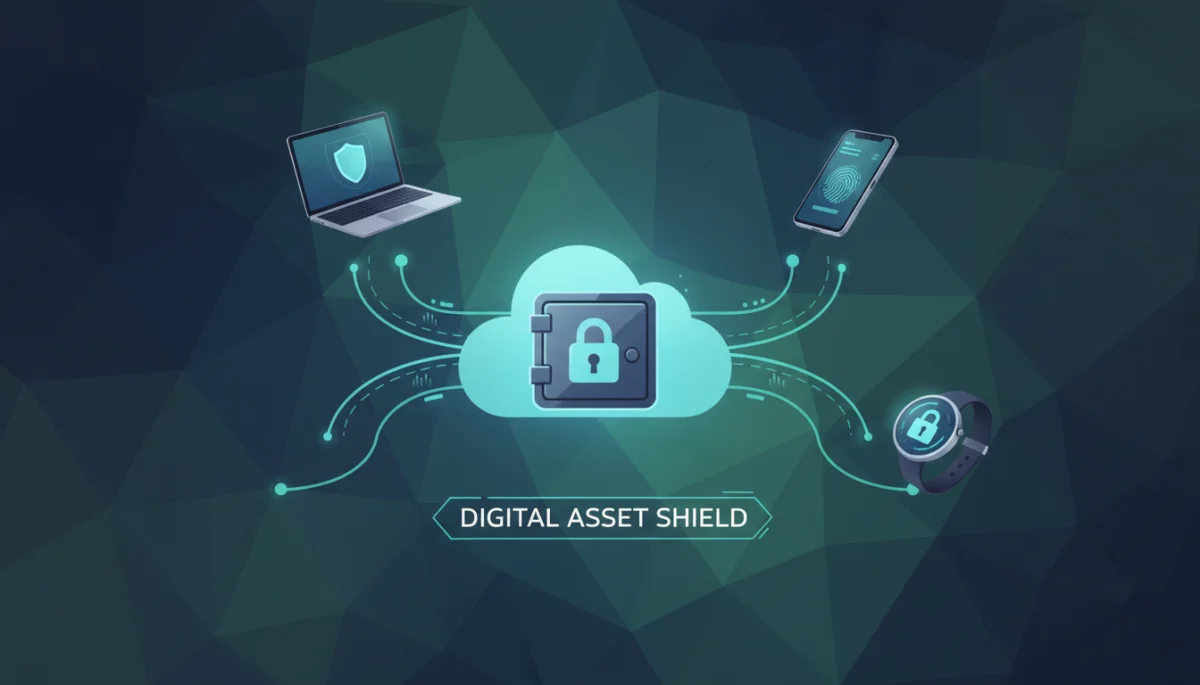
Essential information for your inventory
To make your digital asset inventory truly effective, it must be meticulously detailed. Consider including the following categories of information for each digital asset:
- Account name and URL: Clearly identify the platform.
- Username or login ID: The primary identifier for the account.
- Associated email address: Often crucial for password recovery.
- Instructions for access/closure: Specific wishes for each account.
- Designated beneficiary (if applicable): For platforms that allow this.
Regularly updating this inventory is just as important as creating it. As you open new accounts or close old ones, ensure your digital asset list reflects these changes. This ongoing maintenance guarantees that your plan remains current and effective, providing clarity and reducing potential stress for your loved ones.
Tools and strategies for securing digital assets
Securing your digital assets involves a combination of robust tools and proactive strategies designed to protect your information both now and in the future. In 2026, advanced cybersecurity measures are more accessible than ever, offering solutions for managing passwords, sensitive documents, and access permissions. Implementing these tools is a cornerstone of effective digital legacy planning.
Password managers are indispensable for creating and storing strong, unique passwords for every online account. These tools not only enhance your current online security but also provide a secure method for sharing access with your designated digital executor when the time comes. Beyond passwords, encrypted cloud storage and secure document vaults offer safe places for sensitive files and instructions.
Leveraging modern security tools
The digital security landscape offers a variety of tools that can significantly enhance your digital legacy plan. Choosing the right combination of these tools is key to a secure and manageable system.
- Password managers: Centralized, encrypted storage for all login credentials.
- Encrypted cloud storage: Securely store important documents and digital files.
- Legacy features on platforms: Utilize built-in options for designating beneficiaries (e.g., Facebook Legacy Contact).
- Two-factor authentication (2FA): Add an extra layer of security to critical accounts.
Beyond tools, establishing clear protocols for your digital executor is vital. This includes detailed instructions on how to access password managers, where to find specific documents, and what actions to take for each account. A well-documented strategy ensures a smooth transition and adherence to your wishes.
Designating a digital executor and communicating your wishes
One of the most critical components of digital legacy planning is the designation of a trusted digital executor. This individual will be responsible for managing your online accounts and digital assets according to your instructions after your passing. Without a clearly defined executor and explicit instructions, your digital wishes may not be honored, leading to confusion or even loss of valuable digital property.
Choosing a digital executor requires careful consideration. This person should be technologically savvy, trustworthy, and organized. They will need to navigate various online platforms, potentially deal with customer service, and understand your instructions for each account. It’s also wise to name an alternate executor in case your primary choice is unable or unwilling to serve.
Effective communication strategies
Merely designating an executor is not enough; you must also clearly communicate your wishes and provide them with all necessary information. This communication should be ongoing and comprehensive, ensuring your executor feels prepared and informed.
- Create a letter of instruction: Detail your wishes for each account (e.g., delete, memorialize, transfer).
- Discuss your plan: Have open conversations with your executor about their role and responsibilities.
- Provide access instructions: Explain how to access your password manager and other secure locations.
- Update regularly: Keep your executor informed of any changes to your digital assets or wishes.
Formalizing these instructions in legal documents, such as a will or trust, is also highly recommended. This adds legal weight to your digital legacy plan and provides clear authority to your digital executor, minimizing potential legal challenges and ensuring your digital footprint is managed exactly as you intend.
Future-proofing your digital legacy plan
The digital world is in a constant state of flux, with new technologies, platforms, and legal frameworks emerging regularly. Therefore, future-proofing your digital legacy planning is not a one-time task but an ongoing process that requires periodic review and adaptation. A plan created in 2026 might need adjustments by 2028 or 2030 to remain effective and relevant.
Regularly reviewing your digital asset inventory and updating your instructions is paramount. New social media platforms might gain popularity, old ones might become obsolete, and your personal preferences for certain accounts could change. Ensuring your plan reflects these evolving circumstances guarantees its continued effectiveness and relevance for your beneficiaries.
Maintaining and adapting your plan
To keep your digital legacy plan robust and current, integrate regular review cycles into your personal planning. This proactive approach ensures that your digital wishes are always up-to-date and executable.
- Annual review: Schedule a yearly check-up of your digital asset inventory and instructions.
- Stay informed: Keep abreast of changes in digital asset laws and platform terms of service.
- Consider new technologies: Evaluate how emerging tech (e.g., AI, VR) might impact your digital footprint.
- Educate your executor: Ensure your executor understands any updates or changes to your plan.
By treating digital legacy planning as an iterative process, you can ensure that your digital footprint is consistently protected and managed according to your most current wishes. This adaptability is key to a truly effective and enduring digital legacy in the ever-changing digital landscape.
| Key Aspect | Brief Description |
|---|---|
| Digital Asset Inventory | A comprehensive list of all online accounts and digital properties, including access instructions. |
| Legal Framework | Understanding RUFADAA and platform Terms of Service for digital inheritance. |
| Digital Executor | Appointing a trusted individual to manage digital assets per your instructions. |
| Future-Proofing | Regularly reviewing and updating your plan to adapt to evolving digital landscapes. |
Frequently asked questions about digital legacy planning
Digital legacy planning involves organizing and managing your digital assets and online accounts, specifying how they should be handled after your death. This includes everything from social media profiles and email accounts to financial platforms and cloud-stored data, ensuring your digital footprint aligns with your final wishes.
In 2026, our lives are increasingly digital. Without a plan, loved ones may struggle to access or manage accounts, leading to potential identity theft, financial complications, or loss of irreplaceable memories. It ensures your privacy and wishes are respected posthumously.
Select someone trustworthy, technologically competent, and organized. This person will be responsible for executing your digital wishes. Consider naming an alternate executor as well, and ensure they are fully aware of their responsibilities and have the necessary information.
Use a secure password manager to store login credentials. Create a separate, detailed list of accounts, associated emails, and instructions without including passwords. Store this inventory in an encrypted document or a physical safe, providing access information to your digital executor.
Often, yes. Many platform terms of service (ToS) state that accounts are non-transferable. While state laws like RUFADAA aim to provide access, ToS can still create hurdles. It’s crucial to understand these conflicts and plan accordingly, possibly using platform-specific legacy features.
Conclusion
Effective digital legacy planning in 2026 is no longer a niche concern but a fundamental aspect of comprehensive personal and estate management. By taking proactive steps to inventory your digital assets, understand the evolving legal landscape, utilize robust security tools, and clearly communicate your wishes to a designated digital executor, you can ensure your online footprint is managed according to your desires. This foresight not only protects your digital privacy and assets but also provides invaluable peace of mind for your loved ones, sparing them from potential complications during a difficult time. As our lives become increasingly intertwined with the digital realm, securing your digital future is an act of responsibility and care that truly endures.