Digital Twins: US Infrastructure Savings Expected by 2026
Anúncios
Digital twin technology is set to deliver substantial cost savings for US infrastructure projects, with projections indicating up to 20% reductions by 2026 through enhanced design, construction, and operational efficiencies.
The landscape of US infrastructure is undergoing a profound transformation, driven by innovative technologies aimed at optimizing efficiency and reducing costs. Among these, digital twins infrastructure savings stand out as a game-changer, promising up to 20% cost savings for US infrastructure projects by 2026. This isn’t just a futuristic concept; it’s a present-day reality rapidly gaining traction across the nation.
Anúncios
Understanding Digital Twins in Infrastructure
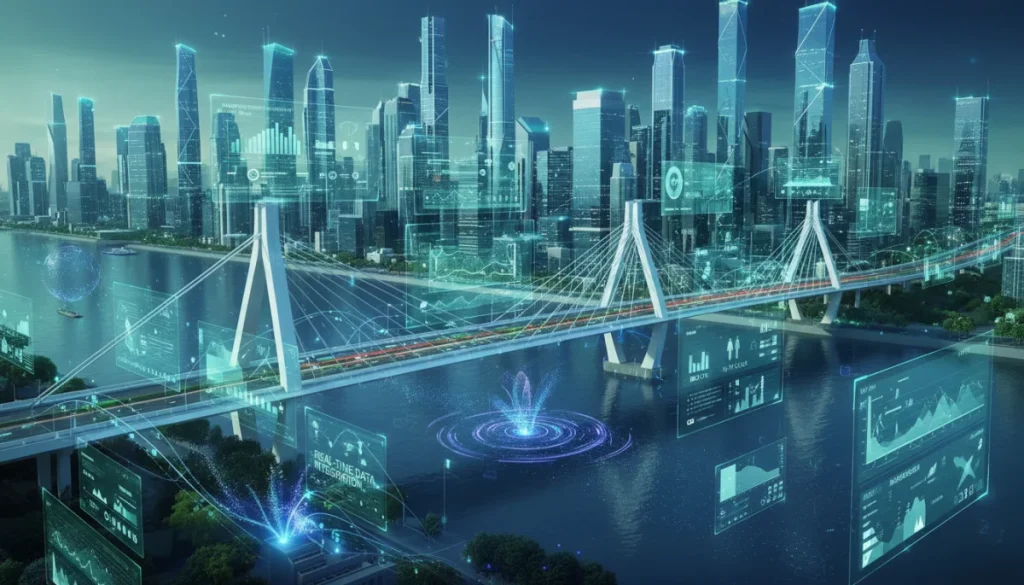
Digital twins represent a virtual replica of a physical asset, process, or system. In the context of infrastructure, this means creating a highly accurate digital model of a bridge, a road network, a power plant, or even an entire city. This model is continuously updated with real-time data from sensors, allowing for dynamic simulations and predictive analysis.
The power of digital twins lies in their ability to mirror the physical world in a virtual environment. This enables stakeholders to monitor, analyze, and predict the behavior and performance of infrastructure assets without ever physically interacting with them. The implications for planning, construction, and maintenance are immense.
The Core Components of a Digital Twin
Building an effective digital twin for an infrastructure project involves several key elements working in concert. These components ensure the virtual model is not only accurate but also dynamic and responsive to real-world changes.
- Physical Asset: The real-world object or system being modeled.
- Virtual Model: A detailed digital representation created using BIM, CAD, and other modeling tools.
- Data Integration: Real-time data feeds from sensors, IoT devices, and historical records.
- Analytics and AI: Algorithms that process data to provide insights, predict outcomes, and simulate scenarios.
These components collectively create a powerful tool that offers a comprehensive, up-to-the-minute view of an infrastructure asset’s health and performance. This holistic perspective is crucial for identifying potential issues before they escalate and for optimizing operational strategies.
In essence, a digital twin provides a living, breathing model that evolves alongside its physical counterpart. This continuous feedback loop is what makes the technology so transformative for infrastructure development and management, paving the way for unprecedented levels of efficiency and foresight.
Driving Efficiency in Design and Planning
One of the most significant areas where digital twins contribute to cost savings is in the initial phases of a project: design and planning. By creating a comprehensive virtual model, engineers and planners can identify and rectify potential issues long before construction even begins, saving considerable time and resources.
Anúncios
Traditional design processes often involve multiple iterations and physical prototypes, which can be both time-consuming and expensive. Digital twins eliminate much of this by allowing for rapid virtual prototyping and extensive simulation.
Early Conflict Detection and Resolution
Complex infrastructure projects are inherently prone to design conflicts, such as clashes between different systems (e.g., electrical, plumbing, structural). Identifying these conflicts during construction can lead to costly delays and rework.
- Virtual Clash Detection: Digital twins can automatically detect conflicts between different design elements in the virtual space.
- Scenario Simulation: Engineers can test various design alternatives and construction methods virtually to find the most efficient and cost-effective solutions.
- Stakeholder Collaboration: The digital model provides a common platform for all stakeholders to visualize the project, facilitating better communication and decision-making.
This proactive approach significantly reduces the likelihood of encountering unexpected problems during the physical construction phase, thereby preventing expensive change orders and schedule overruns. The ability to visualize and manipulate the design in a virtual environment fosters a more collaborative and efficient planning process.
Ultimately, the meticulous planning and design validation offered by digital twins lead to more robust, optimized designs that are less prone to errors and more aligned with project goals. This upfront investment in digital modeling translates into substantial savings down the line, solidifying the case for their adoption.
Revolutionizing Construction and Project Management
Beyond design, digital twins are reshaping how infrastructure projects are constructed and managed. They provide real-time visibility into project progress, resource allocation, and potential bottlenecks, leading to more efficient execution and better oversight.
During the construction phase, a digital twin acts as a central hub for all project-related data. This includes everything from material tracking and equipment performance to workforce management and safety protocols. This integrated view allows project managers to make informed decisions swiftly.
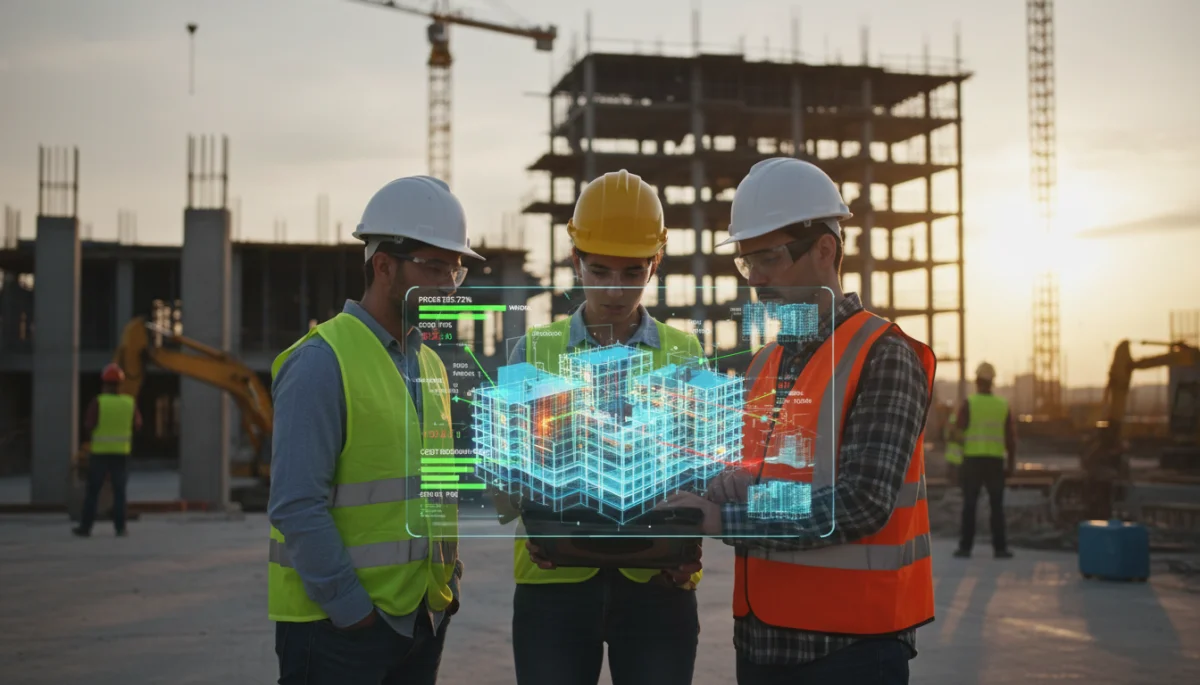
The continuous flow of data from the physical site to the digital model ensures that the virtual representation remains an accurate reflection of reality. This real-time synchronization is critical for maintaining project schedules and budgets.
Real-time Monitoring and Progress Tracking
Keeping a large-scale infrastructure project on track is a monumental task. Digital twins simplify this by offering unparalleled monitoring capabilities.
- Live Progress Updates: Sensors on site feed data into the digital twin, providing immediate updates on construction progress.
- Resource Optimization: The twin can track the location and utilization of equipment and materials, optimizing their deployment to avoid waste.
- Risk Mitigation: By identifying deviations from the plan early, project managers can intervene quickly to address issues like delays or budget overruns.
This level of real-time control and insight empowers project teams to be more agile and responsive. It minimizes the impact of unforeseen challenges and ensures that resources are utilized effectively, directly contributing to significant cost reductions.
The ability to visualize project progress against the planned schedule in real-time allows for proactive adjustments, preventing minor issues from escalating into major problems. This enhanced control during construction is a cornerstone of the projected cost savings.
Optimizing Operations and Maintenance
The benefits of digital twins extend far beyond the initial construction phase, offering long-term advantages in the operation and maintenance of infrastructure assets. This is where a significant portion of the projected 20% cost savings by 2026 will be realized.
Once an infrastructure asset is operational, its digital twin continues to collect and analyze data, providing critical insights into its performance, health, and potential for future issues. This continuous monitoring enables a shift from reactive to proactive maintenance strategies.
Predictive Maintenance and Lifecycle Management
Traditional maintenance often relies on scheduled inspections or reacting to failures. Digital twins, however, enable a more intelligent, predictive approach.
- Condition Monitoring: Sensors embedded in the physical asset continuously monitor its condition, feeding data to the digital twin.
- Predictive Analytics: AI algorithms analyze this data to predict potential failures or maintenance needs before they occur.
- Optimized Asset Lifespan: By performing maintenance exactly when and where it’s needed, asset lifespan can be extended, and costly premature replacements avoided.
This predictive capability not only reduces unexpected downtime and repair costs but also optimizes the overall lifecycle management of the infrastructure. For instance, a digital twin of a bridge can simulate the effects of traffic loads and weather conditions over time, predicting when specific components might require attention.
The long-term operational efficiencies gained through digital twins are substantial, ensuring that infrastructure assets remain functional and safe for longer, with minimal disruption and optimized maintenance budgets. This sustained value is a key driver of the overall cost savings.
Case Studies and Early Adopters in the US
While the full extent of digital twin adoption is still unfolding, several pioneering projects in the US are already demonstrating the tangible benefits of this technology, showcasing its potential to achieve significant cost efficiencies.
These early successes serve as powerful examples, illustrating how digital twins are moving from theoretical promise to practical application across various infrastructure sectors, from transportation to utilities.
Notable US Projects Leveraging Digital Twins
Across the nation, forward-thinking organizations are implementing digital twin strategies to enhance project delivery and asset performance. These projects highlight the diverse applications and benefits of the technology.
- Smart City Initiatives: Cities like Los Angeles and New York are exploring digital twins to manage urban infrastructure, optimize traffic flow, and improve emergency response.
- Bridge and Highway Projects: Departments of Transportation are using digital twins for monitoring structural integrity, predicting maintenance needs, and managing construction logistics for complex bridge and highway systems.
- Utility Networks: Energy and water utilities are deploying digital twins to optimize grid performance, detect anomalies, and plan infrastructure upgrades more effectively.
These examples underscore the versatility of digital twin technology and its ability to address a wide range of infrastructure challenges. The lessons learned from these early adopters are invaluable, providing a blueprint for wider implementation and demonstrating clear pathways to cost reduction.
The success stories emerging from these projects are compelling, providing concrete evidence of how digital twins can lead to more efficient, resilient, and cost-effective infrastructure development in the US. This growing body of evidence strengthens the projection of significant savings by 2026.
Challenges and Future Outlook for Digital Twins
Despite the undeniable potential, the widespread adoption of digital twins in US infrastructure projects faces several challenges. Addressing these will be crucial for realizing the full projected cost savings by 2026.
These hurdles range from technological complexities to organizational readiness and the need for standardized practices. Overcoming them requires a concerted effort from industry, government, and technology providers.
Key Obstacles to Broader Adoption
Implementing digital twin technology is not without its difficulties. Understanding these challenges is the first step towards developing effective solutions.
- Data Integration Complexity: Integrating vast amounts of data from disparate sources remains a significant challenge.
- Initial Investment Costs: The upfront cost of developing and implementing digital twin platforms can be substantial.
- Skills Gap: A shortage of skilled professionals capable of developing, managing, and interpreting digital twins is a concern.
- Standardization: A lack of industry-wide standards for digital twin creation and data exchange can hinder interoperability.
Overcoming these challenges will require strategic investments in technology, workforce development, and the establishment of common frameworks. Collaborative efforts between public and private sectors will be essential to accelerate adoption.
Looking ahead, the trajectory for digital twins in US infrastructure is overwhelmingly positive. Continued advancements in AI, IoT, and cloud computing will further enhance their capabilities, making them more accessible and cost-effective. As more organizations recognize the long-term value, the initial barriers are likely to diminish, paving the way for ubiquitous use and the realization of the projected 20% cost savings by 2026.
| Key Aspect | Description |
|---|---|
| Cost Savings Target | Up to 20% reduction in US infrastructure project costs by 2026. |
| Key Benefit Areas | Optimized design, efficient construction, predictive maintenance, and improved operations. |
| Technology Core | Virtual replicas updated with real-time sensor data, AI for analysis and prediction. |
| Challenges | Data integration, initial investment, skills gap, and lack of standardization. |
Frequently Asked Questions About Digital Twins in Infrastructure
A digital twin is a virtual, real-time replica of a physical infrastructure asset, such as a bridge, building, or utility network. It integrates data from sensors, BIM models, and other sources to simulate behavior, predict performance, and optimize operations throughout the asset’s lifecycle.
Digital twins reduce costs by enabling early conflict detection in design, optimizing construction schedules and resource use, and facilitating predictive maintenance. This minimizes rework, prevents delays, extends asset lifespan, and lowers operational expenses over time.
Digital twins are fed by diverse data sources including IoT sensors, Building Information Modeling (BIM) data, Geographic Information Systems (GIS), historical maintenance records, weather data, and real-time operational metrics. This comprehensive data creates an accurate and dynamic virtual model.
Key challenges include the complexity of integrating vast data from various systems, the substantial initial investment required, a shortage of skilled professionals, and the need for standardized protocols for data exchange and model creation across the industry.
Digital twins are highly versatile and can be applied to both new construction and existing infrastructure. For existing assets, 3D scanning and retrofitting with sensors allow for the creation of digital twins, bringing similar benefits in terms of monitoring, maintenance, and optimization.
Conclusion
The journey towards a more efficient and cost-effective infrastructure landscape in the US is being significantly propelled by the adoption of digital twin technology. As we’ve explored, from meticulous design and planning to optimized construction and predictive maintenance, digital twins offer a transformative approach to managing complex projects. While challenges remain in data integration and initial investment, the clear benefits and early successes underscore the immense potential. The projection of up to 20% cost savings by 2026 is not merely an optimistic forecast but a tangible goal achievable through continued innovation and strategic implementation of these advanced virtual replicas. The future of US infrastructure is undoubtedly digital, intelligent, and more sustainable.