Email Security 2026: Advanced Tips to Block Spam & Protect Your Inbox
Anúncios
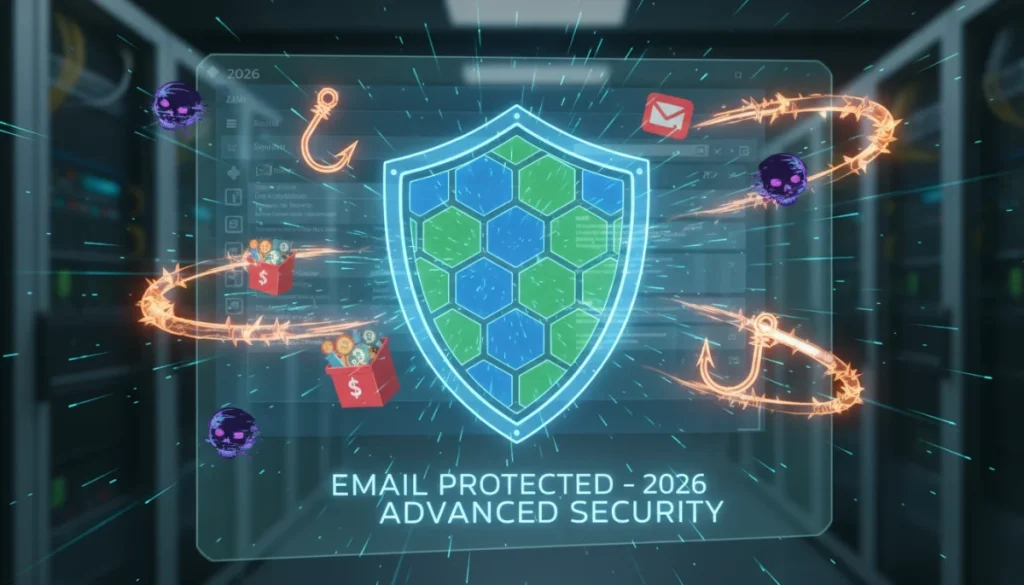
Implementing advanced authentication, AI-driven threat detection, and continuous user education are crucial for email security in 2026 to protect your inbox from sophisticated spam and evolving cyber threats, ensuring digital privacy.
In the rapidly evolving digital landscape, safeguarding your inbox is more critical than ever. This guide delves into email security 2026, offering seven advanced tips to block spam and protect your digital communications from increasingly sophisticated threats. Stay ahead of cybercriminals and secure your personal and professional data.
Anúncios
Embracing advanced email authentication protocols
As we move further into 2026, relying solely on passwords for email access is akin to leaving your front door unlocked. Cybercriminals have developed highly sophisticated methods to bypass traditional authentication, making advanced protocols not just recommended, but essential. These layers of defense ensure that even if your password is compromised, unauthorized access remains nearly impossible.
Implementing strong authentication mechanisms creates a robust barrier against phishing, spoofing, and brute-force attacks. It verifies the legitimacy of both the sender and the recipient, significantly reducing the attack surface for malicious actors. This proactive approach is a cornerstone of modern email security.
Beyond passwords: multi-factor authentication (MFA)
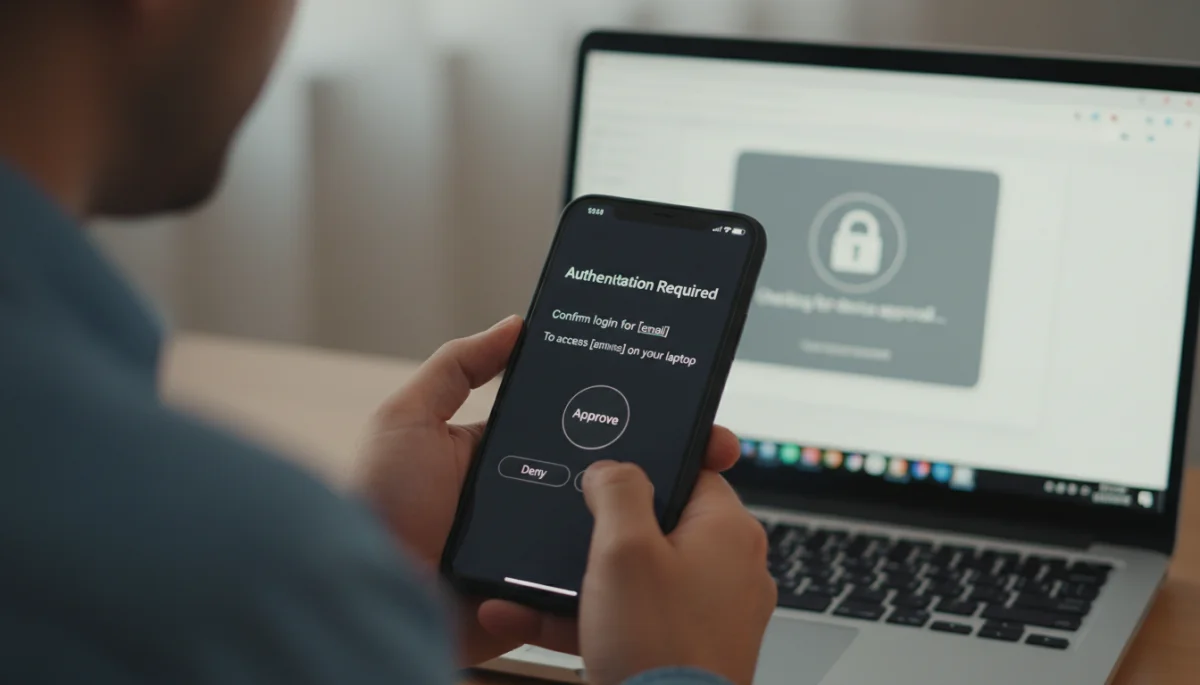
Multi-factor authentication (MFA) adds several layers of security by requiring users to provide two or more verification factors to gain access to an account. These factors typically fall into three categories: something you know (like a password), something you have (like a phone or a hardware token), and something you are (like a fingerprint or facial scan).
- Biometric authentication: Utilizing fingerprints, facial recognition, or iris scans for login provides a highly secure and convenient method.
- Hardware security keys: Physical devices that generate one-time passcodes or use cryptographic keys, offering superior protection against phishing.
- Authenticator apps: Generating time-based one-time passwords (TOTP) on a separate device, making it harder for attackers to gain access even with a stolen password.
The strength of MFA lies in its multi-layered nature. Even if one factor is compromised, an attacker still needs to overcome the other factors, drastically increasing the difficulty of unauthorized access. This makes MFA an indispensable tool for robust email security in 2026.
Leveraging AI and machine learning for threat detection
The sheer volume and sophistication of email threats have outpaced traditional, rule-based security systems. In 2026, artificial intelligence (AI) and machine learning (ML) are not just buzzwords but critical components of any effective email security strategy. These technologies can analyze vast amounts of data in real-time, identifying patterns and anomalies that human analysts or older systems might miss.
AI-driven solutions learn from every new threat, constantly refining their ability to detect and neutralize emerging dangers. This adaptive nature is crucial for staying ahead of cybercriminals who continuously evolve their tactics. From advanced phishing attempts to polymorphic malware, AI offers a dynamic defense.
Anúncios
Predictive analytics and behavioral analysis
AI and ML systems excel at predictive analytics, anticipating potential threats before they fully materialize. By analyzing historical data and current trends, they can forecast attack vectors and proactively implement countermeasures. Behavioral analysis is another powerful application, where AI learns the typical communication patterns of users and flags any deviations as suspicious.
- Anomaly detection: Identifying unusual email sender behavior, unexpected attachments, or suspicious links that deviate from established norms.
- Natural language processing (NLP): Analyzing email content for linguistic cues often found in phishing attempts, such as urgent language, grammatical errors, or unusual requests.
- Reputation scoring: Dynamically assessing the trustworthiness of senders, URLs, and attachments based on a global threat intelligence network.
These intelligent systems provide a proactive defense, moving beyond simply blocking known threats to identifying and neutralizing unknown, zero-day attacks. Integrating AI and ML into your email security architecture is paramount for comprehensive protection in 2026.
Implementing DMARC, SPF, and DKIM for email authentication
Email authentication protocols like DMARC, SPF, and DKIM are foundational for preventing email spoofing and phishing attacks. While these technologies have existed for some time, their proper implementation and continuous monitoring are more critical than ever in 2026. They work together to verify that incoming mail is indeed from the domain it claims to be from, and that its content hasn’t been tampered with in transit.
Without these protocols, your domain is vulnerable to being impersonated by attackers, leading to reputational damage, financial loss, and successful phishing campaigns against your contacts. Proper configuration sends a clear signal of legitimacy, both to recipient mail servers and to your customers.
Understanding the trio of email authentication
Each protocol plays a distinct yet complementary role in validating email authenticity. SPF (Sender Policy Framework) specifies which mail servers are authorized to send email on behalf of your domain. DKIM (DomainKeys Identified Mail) adds a digital signature to outgoing emails, allowing the recipient server to verify that the email was not altered in transit. DMARC (Domain-based Message Authentication, Reporting, and Conformance) builds upon SPF and DKIM, telling recipient servers how to handle emails that fail authentication checks, and providing reporting back to the sender.
- SPF (Sender Policy Framework): Prevents spammers from sending messages with forged ‘From’ addresses on your domain by listing authorized sending IP addresses.
- DKIM (DomainKeys Identified Mail): Uses cryptographic signatures to verify the sender’s identity and ensure the email content hasn’t been tampered with.
- DMARC (Domain-based Message Authentication, Reporting, and Conformance): Instructs receiving mail servers on how to treat emails that fail SPF or DKIM checks (e.g., quarantine, reject) and provides feedback reports.
Properly configuring and maintaining these records is a non-negotiable step for any organization serious about their email security. They are the first line of defense against sophisticated impersonation attacks and a key component of building trust in your digital communications.
Regular security awareness training and phishing simulations
Technology alone, no matter how advanced, cannot entirely eliminate the human element of risk. In 2026, employees remain the strongest link in your security chain, or the weakest, depending on their level of awareness and training. Cybercriminals increasingly target individuals through social engineering tactics, making robust security awareness training a perpetual necessity.
Regular, engaging training sessions coupled with realistic phishing simulations empower users to identify and report suspicious emails, turning them into an active defense mechanism rather than a potential vulnerability. This continuous education fosters a security-conscious culture.
Building a human firewall through education
Effective security awareness training goes beyond simply listing threats; it teaches users how to recognize the subtle cues of phishing, ransomware, and other social engineering attacks. Phishing simulations provide a safe environment for employees to practice their detection skills without real-world consequences, reinforcing learned behaviors.
Training should cover:
- Identifying phishing emails: Recognizing suspicious links, unusual sender addresses, urgent or threatening language, and requests for sensitive information.
- Reporting suspicious activity: Establishing clear procedures for employees to report potential threats to the IT security team.
- Password hygiene: Emphasizing the importance of strong, unique passwords and the benefits of password managers.
- Data handling best practices: Educating on secure ways to share and store sensitive information, both internally and externally.
By regularly updating training content to reflect the latest threat landscape and conducting frequent simulations, organizations can significantly reduce their susceptibility to email-borne attacks. A well-informed workforce is your most effective defense against evolving cyber threats.
Encrypting sensitive email communications
Even with robust anti-spam and anti-phishing measures, the content of your emails can still be intercepted if not properly secured. In 2026, with increasing concerns about data privacy and regulatory compliance, encrypting sensitive email communications is no longer optional but a fundamental requirement. Encryption ensures that only the intended recipient can read the message, protecting confidential information from eavesdropping and unauthorized access.
Whether you’re sharing financial data, personal identifiable information (PII), or proprietary business secrets, end-to-end encryption provides a vital layer of confidentiality. It safeguards your communications not just in transit, but also at rest on servers.
Methods for securing email content
Several methods exist for encrypting email content, each with varying levels of complexity and security. The choice often depends on the sensitivity of the information and the technical capabilities of both sender and receiver. The goal is to make the content unreadable to anyone other than the authorized parties.
- End-to-end encryption (E2EE): Protocols like PGP/GPG or S/MIME encrypt the email from the sender’s device to the recipient’s device, ensuring only they can decrypt it.
- Secure email gateways: These solutions can automatically encrypt outgoing emails based on predefined policies, often using TLS (Transport Layer Security) for transit encryption and PGP/S/MIME for content encryption.
- Encrypted file attachments: For highly sensitive documents, encrypting the attachment itself with a strong password and sharing the password through a separate secure channel adds an extra layer of protection.
Implementing email encryption requires careful planning and often involves integrating with existing email infrastructure. However, the enhanced data protection and compliance benefits make it an indispensable part of a comprehensive email security strategy for 2026.
Advanced spam filtering and sandboxing technologies
Spam isn’t just an annoyance; it’s often the delivery mechanism for malware, ransomware, and phishing attacks. While basic spam filters catch obvious junk, sophisticated attacks bypass these defenses. In 2026, advanced spam filtering, augmented by sandboxing technologies, is crucial for catching these stealthier threats before they reach user inboxes.
These advanced systems go beyond simple keyword matching, analyzing email behavior, sender reputation, and even executing suspicious attachments in isolated environments to determine their true nature. This proactive approach prevents malicious content from ever touching your network.
Dynamic threat analysis with sandboxing
Sandboxing involves executing suspicious email attachments or clicking on dubious links within a virtual, isolated environment. This allows security systems to observe the behavior of the content without risking the integrity of the actual network. If the content exhibits malicious behavior, it’s flagged and blocked, preventing potential infections.
- Real-time threat intelligence: Filters leverage constantly updated databases of known threats, malicious IPs, and URL blacklists.
- Heuristic analysis: Examining email characteristics, headers, and content for patterns indicative of spam or phishing, even if the specific threat is new.
- Zero-day exploit detection: Sandboxing is particularly effective against zero-day threats, as it doesn’t rely on known signatures but rather on behavioral analysis.
- Attachment stripping/sanitization: Removing potentially dangerous elements from attachments or converting them to a safe format before delivery.
Integrating advanced spam filters with sandboxing capabilities provides a powerful defense against the most persistent and evasive email threats. This layered approach ensures that your inbox remains as clean and secure as possible, significantly reducing the risk of a successful cyberattack.
Regular audits and incident response planning
Even with the most advanced security measures in place, no system is entirely foolproof. In 2026, a critical component of email security is not just preventing incidents but also being prepared for them. Regular security audits help identify vulnerabilities before they can be exploited, while a well-defined incident response plan ensures that if a breach occurs, it can be contained and mitigated quickly and effectively.
Proactive auditing and planning minimize damage, reduce recovery time, and help maintain trust with users and stakeholders. This preparedness is a hallmark of a mature cybersecurity posture.
Preparing for the inevitable: audits and response
Security audits should be conducted periodically by independent experts or dedicated internal teams. They involve reviewing configurations, policies, logs, and user practices to ensure compliance and identify weaknesses. An incident response plan, on the other hand, outlines the steps to take when a security incident is detected, from initial assessment to recovery and post-incident analysis.
- Vulnerability assessments and penetration testing: Actively trying to find and exploit weaknesses in your email security infrastructure to understand potential attack vectors.
- Log monitoring and analysis: Regularly reviewing email server logs and security system alerts for signs of suspicious activity or attempted breaches.
- Defined incident response team: Clearly assigning roles and responsibilities to individuals who will act during a security incident.
- Communication plan: Outlining how to communicate with affected users, regulators, and the public in the event of a data breach.
- Backup and recovery strategies: Ensuring that critical data is regularly backed up and that systems can be quickly restored after an incident.
By regularly auditing your defenses and having a robust incident response plan in place, you can significantly reduce the impact of any potential email security breach. This proactive stance is essential for maintaining digital resilience in 2026.
| Key Security Tip | Brief Description |
|---|---|
| Advanced Authentication | Implement MFA and biometrics for robust access control, going beyond simple passwords. |
| AI/ML Threat Detection | Utilize AI to identify and neutralize evolving threats through behavioral analysis and predictive analytics. |
| Email Authentication Protocols | Properly configure DMARC, SPF, and DKIM to prevent spoofing and ensure email legitimacy. |
| User Training & Encryption | Educate users on phishing and encrypt sensitive communications for data confidentiality. |
Frequently asked questions about email security in 2026
Email security is paramount in 2026 due to the increasing sophistication of cyber threats, including AI-powered phishing and ransomware. As digital communication expands, so do the attack surfaces, making robust defenses essential to protect sensitive data and prevent financial and reputational damage from evolving cybercriminal tactics.
The most effective technology to block spam in 2026 combines AI and machine learning with advanced sandboxing. AI/ML algorithms can detect subtle anomalies and behavioral patterns indicative of spam and phishing, while sandboxing safely executes suspicious attachments in an isolated environment to identify and neutralize zero-day threats before they reach your inbox.
MFA significantly enhances email security by requiring multiple verification methods beyond just a password. This means even if a cybercriminal steals your password, they cannot access your account without the second factor, such as a code from your phone or a biometric scan, drastically reducing the risk of unauthorized access and account takeover.
Yes, DMARC, SPF, and DKIM remain critically relevant for email protection in 2026. These protocols are fundamental for authenticating sender identity, preventing email spoofing, and ensuring message integrity. They serve as essential defenses against phishing and impersonation attacks, building trust in your domain’s email communications and protecting recipients.
User training is indispensable in modern email security. Even the most advanced technical solutions can be bypassed by human error. Regular training, including phishing simulations, empowers users to recognize and report social engineering attacks, turning them into a strong human firewall and significantly reducing the organization’s overall risk posture against email-borne threats.
Conclusion
As we navigate the complexities of the digital age in 2026, robust email security is no longer a luxury but a fundamental necessity. By adopting advanced authentication, leveraging AI for threat detection, implementing foundational protocols like DMARC, SPF, and DKIM, and continuously educating users, individuals and organizations can build formidable defenses against evolving cyber threats. Proactive encryption, sophisticated spam filtering, and diligent incident response planning complete a comprehensive strategy, ensuring your inbox remains a secure and reliable communication channel.